Australian Electricity Outage Compensation: $100 to $605 GSL Credits Across 8 States
A practical, state-by-state breakdown of statutory Guaranteed Service Level (GSL) bill credits, 12-hour claim deadlines in WA, food-spoilage vs surge damage rules, and how to escalate unpaid credits.
Most Australians pay their quarterly power bill to a household retail brand—Origin, AGL, EnergyAustralia, Alinta or Synergy—so when the lights cut out for fourteen hours on a Sunday afternoon, that is naturally the first number people ring. That call almost always hits a dead end for claims because retail billing companies do not own the poles, zone substations or underground street cables outside your front gate. Physical reliability rests with regional Distribution Network Service Providers (DNSPs), and those monopoly network businesses face financial penalties under state Guaranteed Service Level (GSL) schemes. Learning how electricity outage compensation works across Australia stops households from leaving $100 to $605 sitting unclaimed on network ledgers.
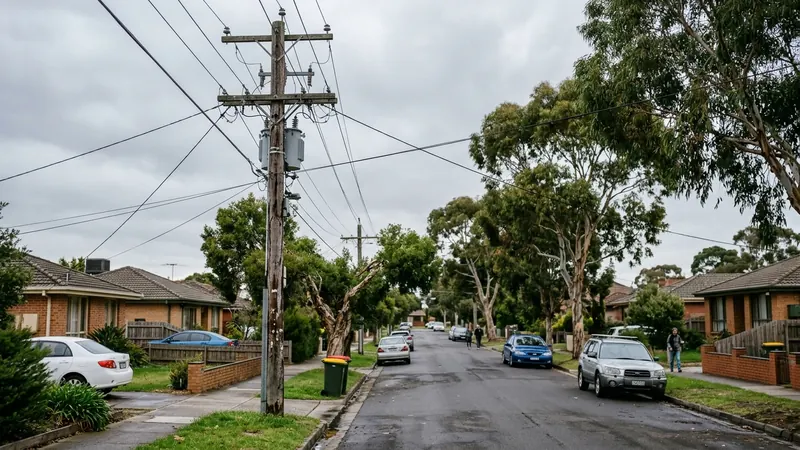
Distributor vs Retailer: Following the Money on Your Power Bill
Every Australian address connected to a public grid sits inside one fixed distribution zone determined strictly by street geography. You can swap power retailers every few months to chase a cheaper usage tariff, yet your street distributor never changes. Under the Australian Energy Regulator (AER) and state licensing codes, two separate channels govern complaints:
- Your Energy Retailer: Controls tariffs, Direct Debits, Centrepay deductions, solar feed-in rates and applying incoming GSL credits onto your quarterly account.
- Your Electricity Distributor (DNSP): Dispatches line crews, runs emergency fault lines, logs exact substation interruption minutes against your National Metering Identifier (NMI), and assesses GSL rebates and electrical surge damage claims.
If your invoice fails to name the pole owner clearly, resolve your 4-digit postcode in seconds via our Who Is My Distributor? lookup or cross-check active repairs on the Australia power outages tracker.
Single-Blackout Caps vs Annual Cumulative Outage Hours
A common blind spot for suburban homeowners is assuming outage compensation applies only to marathon multi-day blackouts. State codes actually monitor two independent triggers tied to your NMI:
- Single Continuous Interruption: One unplanned outage runs beyond the maximum hours permitted for your feeder classification (CBD underground vs urban suburban vs short-rural vs long-rural country spur).
- Annual Cumulative Frequency & Duration: Even if every fault gets repaired in three hours, suffering six, nine or twenty cumulative hours of unplanned interruptions inside a single financial or calendar year trips end-of-year GSL tiers—especially across Victoria and Queensland.
Because utilities record reliability against the NMI fixed at the switchboard rather than the occupant's surname, checking our permanent outage archive gives tenants and new buyers a dated record whenever an annual total looks borderline.
GSL Compensation Comparison Across All 8 Australian Jurisdictions
Because each Australian jurisdiction historically set its own distribution code before national market reforms, payout sizes and qualifying thresholds vary starkly depending on your postcode:
| State / Territory | Distributors & Regulator | Standard GSL Thresholds | Indicative Credit Range | Claim Method |
|---|---|---|---|---|
| Victoria | CitiPower, Powercor, Jemena, UE, AusNet (ESC VIC) | Annual cumulative 20h, 30h, 60h+ unplanned or high frequency | $140 – $365+ | Automatic retailer bill credit |
| South Australia | SA Power Networks (ESCOSA) | Single outage 12–15h, 15–18h, 18–24h, 24–48h, >48h | $100 – $605+ | Automatic retailer bill credit |
| Western Australia | Western Power, Horizon Power (ERA WA) | Single continuous unplanned outage > 12 hours | $120 flat | Application required within 60 days |
| Queensland | Energex, Ergon Energy (QLD Industry Code) | 8h CBD / 18h urban / 24h rural or annual frequency cap | ~$146+ | Automatic retailer bill credit |
| NSW & ACT | Ausgrid, Endeavour, Essential, Evoenergy (AER / ICRC) | Single & annual feeder interruption limits | $80 – $120+ | Automatic / application by DNSP |
| Tasmania & NT | TasNetworks (OTTER) / Power & Water NT | 8h high-density / 16–24h rural (TAS) | $105 – $215+ | Automatic retailer bill credit |
Check Western Australia outages specifically on our Perth 6000 outage hub, or test your exact outage hours right now inside the Outage Compensation Calculator.
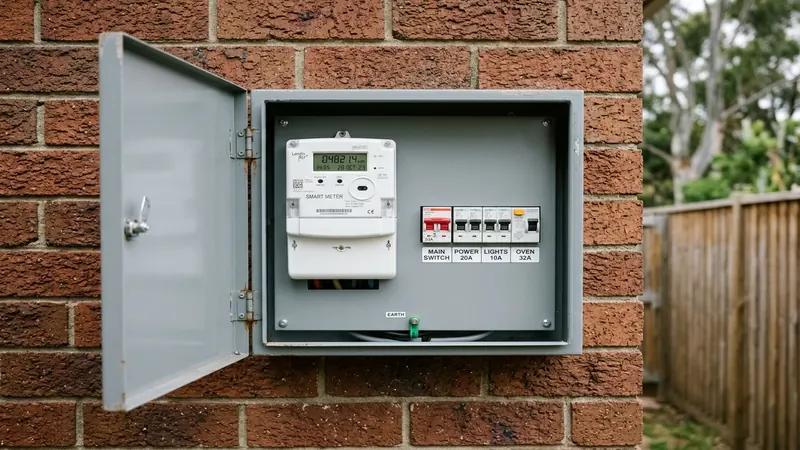
Two Real-World Examples: When a Claim Pays vs When It Fails
Knowing how regulators apply exclusions avoids wasted complaints:
- Example A — Qualifying Equipment Fault (Pays): A blown 22kV transformer fuse in Ballarat knocks out power for 14.5 hours on a mild Tuesday night, and the customer already logged two three-hour blackouts earlier that winter (total 20.5 hours). Under Victoria's ESC rules, crossing 20 cumulative unplanned hours triggers a tiered credit onto the customer's next AGL or Origin invoice.
- Example B — Overrunning Planned Maintenance vs Notice Rules: A distributor schedules pole replacements and drops a paper card in letterboxes two days beforehand, then stays off nine hours. Because most state codes require at least four business days' written notice for planned works, insufficient notice can convert that shutoff into a valid GSL dispute—whereas properly notified maintenance normally remains exempt.
During declared natural disasters—category 4 cyclones, emergency bushfires or catastrophic regional windstorms—networks can petition the regulator to strip Major Event Days out of GSL counters. Never simply accept a generic "bad weather" brush-off for routine rainy-day tree branches or overloaded summer transformers: request the distributor's formal Major Event Day exclusion confirmation in writing.
Separate Claims: Spoiled Freezer Food & Neutral Voltage Surges
A GSL payment never replaces lost property. When a corroded overhead neutral wire snaps in a high wind—sending up to 415V surges through residential single-phase sockets—or a transformer blows immediately upon restoration, refrigerators, reverse-cycle inverters, coffee machines and router power packs can fry instantly. Follow three rules before throwing damaged items onto the nature strip:
- Photograph melted power boards, display error codes and any scorched wall switchboards immediately.
- Ask a licensed electrician or appliance repairer for a brief written diagnostic stating voltage fluctuation or supply interruption caused the failure (rather than normal component wear).
- Submit your property-damage claim straight to your DNSP's claims team rather than absorbing a A$600 home-contents insurance excess first.
Escalating Unpaid Credits to Your State Ombudsman
Always give your distributor or retailer a formal complaint ticket and wait 10 business days for a reasoned written answer. Where a valid payment sits unpaid or unfairly declined, escalate completely free of charge to your state Energy and Water Ombudsman: EWON (NSW, 1800 246 545), EWOV (VIC, 1800 500 509), EWOQ (QLD), EWOSA (SA) or EWOWA (WA). Use our Complaint Letter Generator to pre-fill your NMI, outage timestamps and state code clauses in under two minutes.
Frequently Asked Questions
Do renters receive electricity outage compensation in Australia?
Yes. GSL credits belong to the electricity account holder paying the bill for that NMI—whether tenant or owner-occupier—and reduce your retail bill balance directly.
How long does a GSL credit take to appear on my electricity bill?
Most eastern-state distributors reconcile GSL files quarterly, meaning credits typically land on your retail power statement within 60 to 90 days after the outage or financial year end.
What is the deadline for claiming Western Power's $120 Extended Outage Payment?
In Western Australia, eligible residential and small business customers must lodge their claim within 60 calendar days of power restoration following a continuous outage exceeding 12 hours.